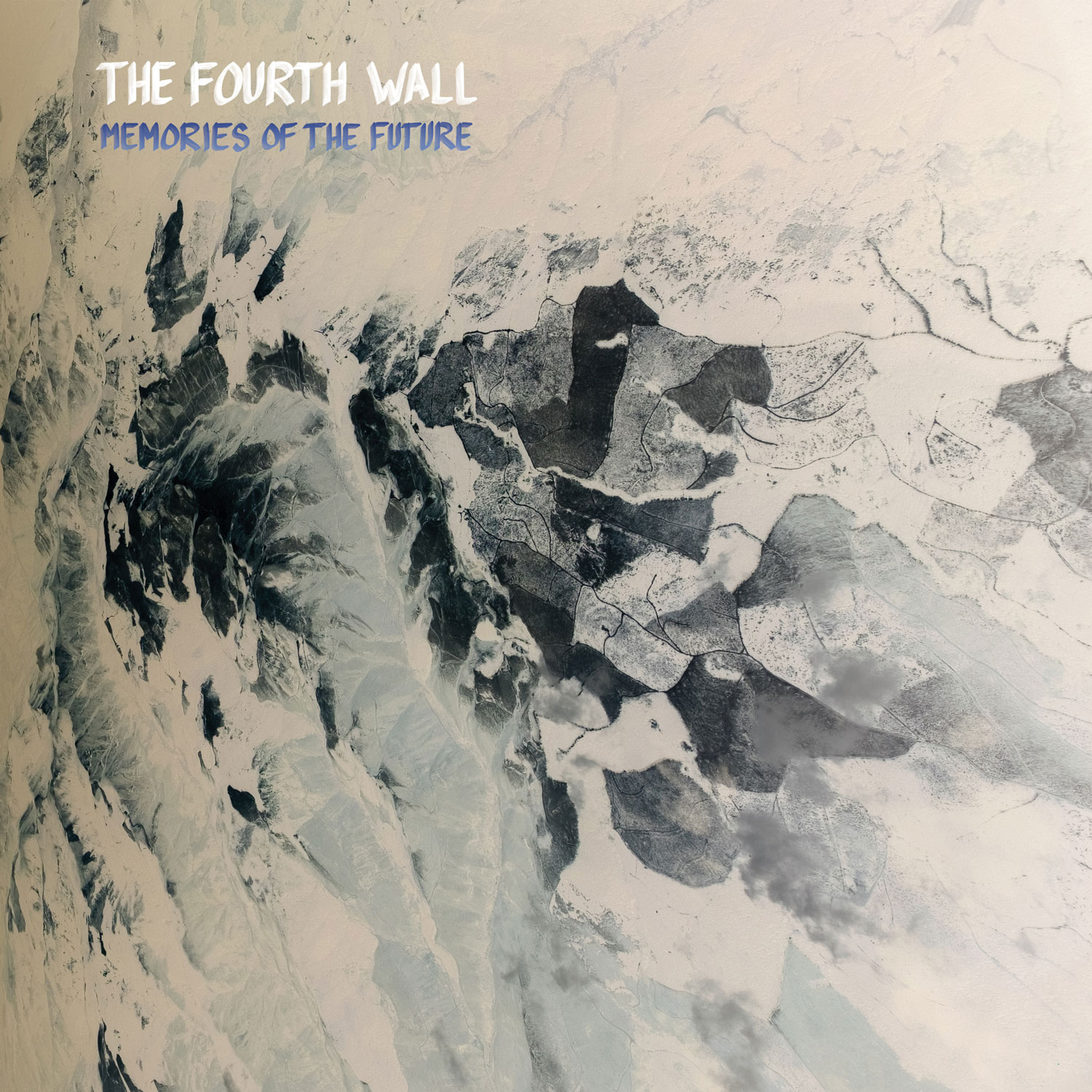
The Fourth Wall - Memories of the Future LP
Release date: August 28th 2026
Artist Information
- Label: DevilDuck Records
- Genre: Alternative / Indie Rock
- Hometown: Portland, OR
- RIYL: Low, Wye Oak, Slow Pulp, Typhoon
Biography
From Socrates’ Kallipolis to Donna Haraway’s cyborg, history is littered with countless unfulfilled dreams of the future. What is to be done with the latent energy of our utopias deferred? The Fourth Wall’s fifth album, Memories of the Future, presses the question and confronts the psychological toll of a world where a livable future is becoming more and more impossible to imagine. Drawing inspiration from Mark Fisher’s Capitalist Realism and Frederic Jameson’s writings on Sci-fi literature and postmodernism, which highlight the impoverishment of the imagination regarding futuristic dreaming, The Fourth Wall brings us nine songs about a future in crisis and explores some of the pitfalls of life within a pressurized stalemate.
Memories of the Future was recorded in The Fourth Wall's basement practice studio located in the industrial east side of Portland, where spectres of past manufacturing haunt numerous derelict buildings converted to art spaces. A pre-gentrified liminal space awaiting the next entrepreneurial wave to wash over and transform it. The setting, where abandoned warehouses exist alongside skeletal beginnings of new development, lends itself to the apocalyptic vision of Memories of the Future, which often gives a sense of emptiness and overstimulation all at once.
The distant sounds which open the song “City Lights Receding” seem to reflect off of the concrete surfaces of an abandoned city and, in an instant, are brought vibrantly close with its grainy textured guitars and sharp-edged synths. This play of spatial oscillation, a strategy repeated throughout the record, characterizes “City Lights Receding” which contemplates nostalgic desire; the longing to bring our lost objects from the past into the present. As Frederic Jameson points out, in the absence of an imaginable future, cultural products are reduced to pastiche and revivalism. An echo-laden voice sings “Are you gonna hold this a while in your mind / dying star of all that you’ll leave behind” depicting a world where desire is trapped in retrograde. Like the main character in Adolfo Bioy Casares’ The Invention of Morel who sacrifices his life in order to become integrated into an endless holographic loop replaying a scene from the past, the narrator of “City Lights Receding” faces a similar decision. “I never thought that I would turn it all in / Just to relive the way I lose you again.” With ecological disaster on the horizon, new oil wars emerging and a slew of commodities produced that resemble objects from generations ago it is difficult to avoid wondering if we’d rather be a hologram of the past (would the slogan “Make America Great Again” have as much potency if it dropped the “Again?”), no matter the cost.
In another track off of Memories of the Future, “Kármán Line” enters a fictional monologue by the DIY rocketeer Mike Hughes, who garnered support from the flat-earth community in order to build a homemade rocket that would launch him thousands of feet into the air to reach the boundary between earth and space. In 2020, his homemade steam powered rocket malfunctioned and crashed leading to his highly publicized death. The song’s narrator operates within a daredevil ethic, acknowledging the primacy of spectacle unto death. It isn’t really clear if Hughes believed the earth was flat, or whether he merely used the provocation to attract more attention (and financiers). However, the song explores more of the nuances of the escapism animating this death drive. In contrast to the explosive energy which opens “Kármán Line” an exhausted voice at the end of the song sings, “There’s a line between all my sadness and the power to make me weep,” speculating that the desire for transcendence is always a desire to transcend from something. His estrangement from his family, the precarity of his work life (as a limo driver) and his dire financial situation could have all contributed to his all-in investment in the most grand spectacle of his life. In our cybernetic age where the commodification of (mis)information has brought us the fragmentation of truth (the death of “grand narratives” as Jean-François Lyotard puts it) spectacle becomes, in the mind of our narrator, a last resort to unify us.
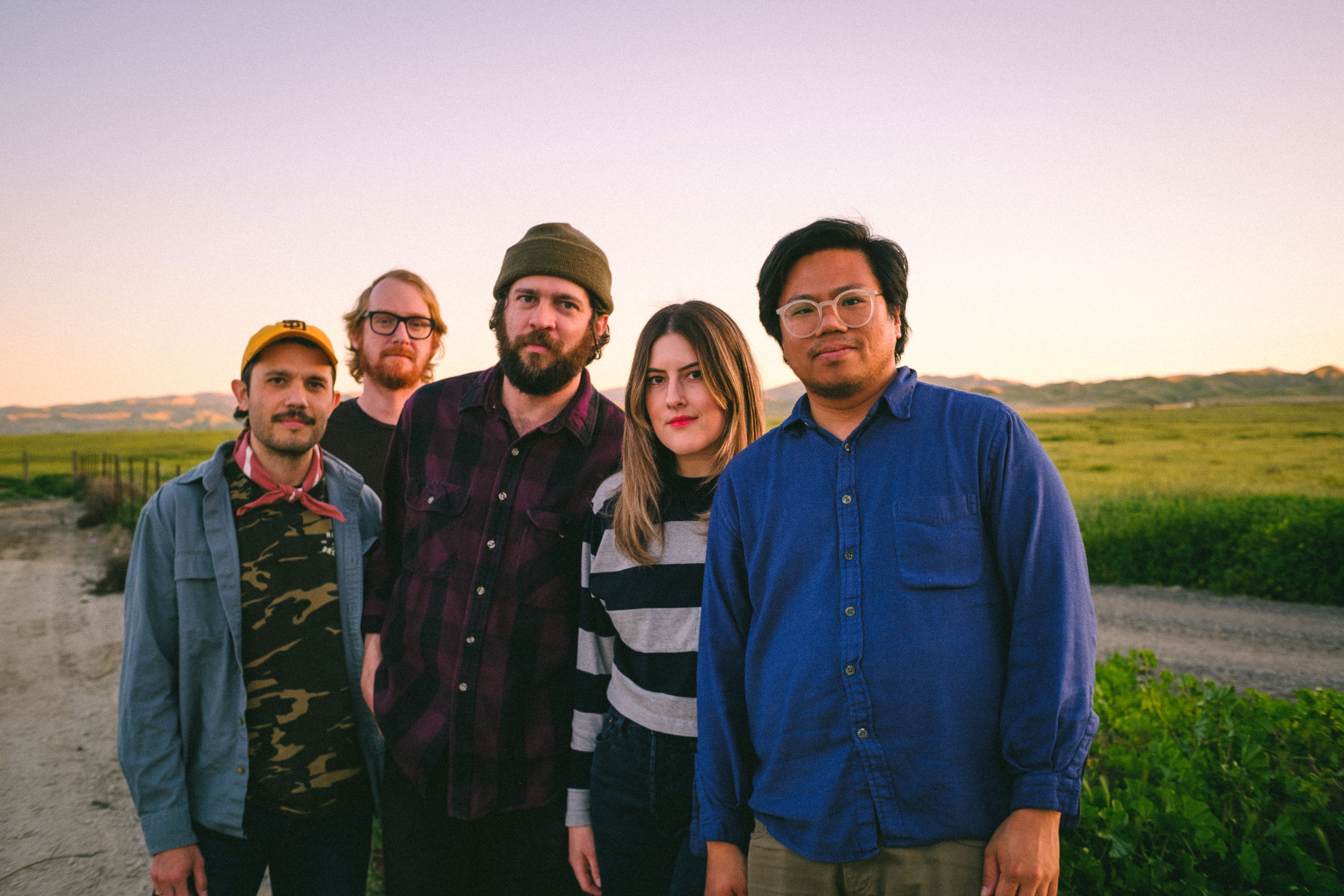
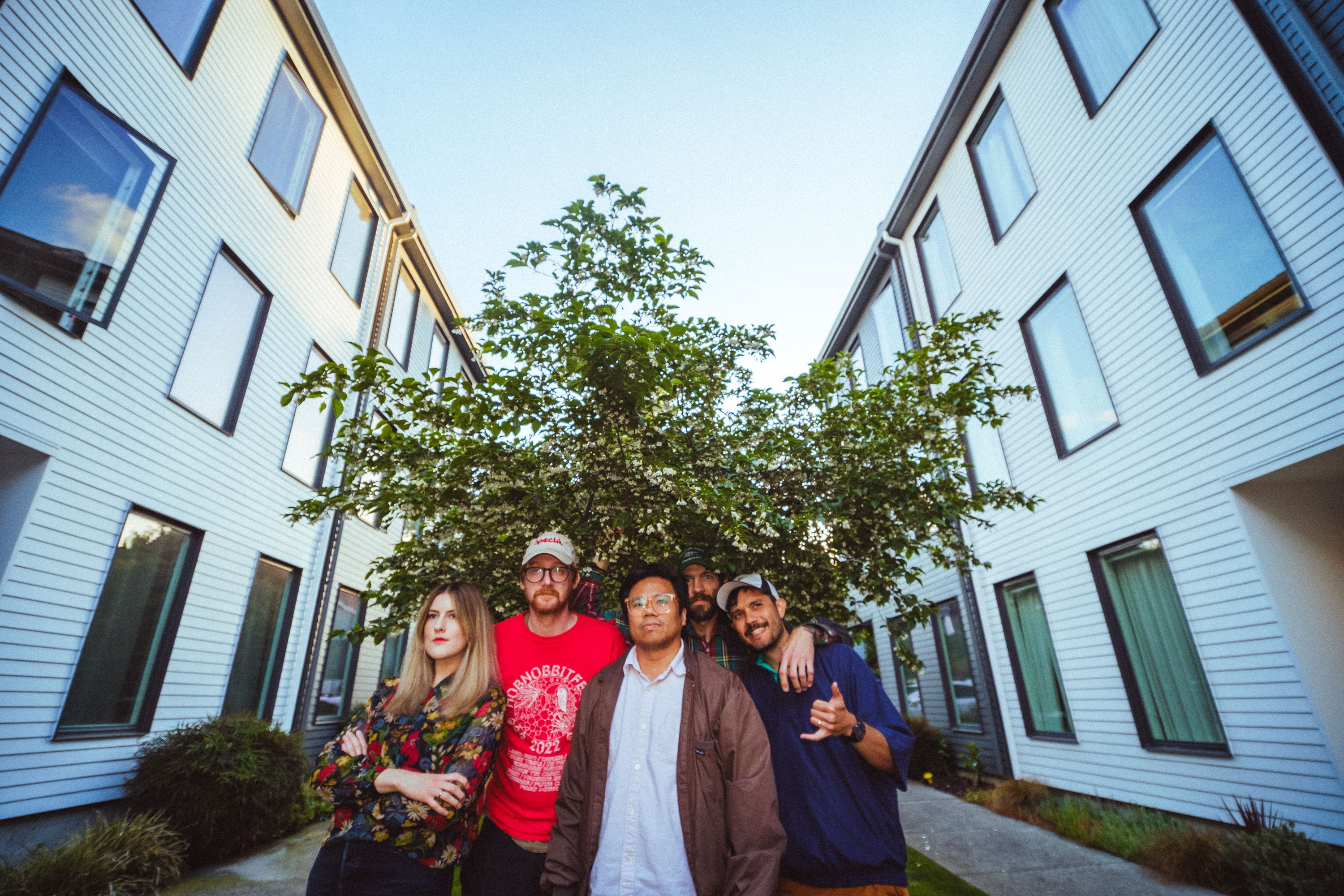
The Fourth Wall is a five piece band based in Portland, OR. Since the time of the project's origin (in Oahu, Hawaii) the band has grown their audience opening for national acts such as The Shins, Andrew Bird, Band of Horses and Typhoon. Featuring Stephen Agustin, Kasey Campbell-Shun, Kendall Sallay, Jason Taylor and Andrew White, their new record, Memories of the Future, will be released in August of 2026.
Upcoming Shows
- October 8th // Seattle, WA // Add-A-Ball
- October 9th // Tacoma, WA // Rat House
- October 11th // Bellingham, WA // The Shakedown
- October 22nd // Portland, OR // Mississippi Studios
Listen (or download here)
Watch
Photos

Recent Press
- C-Heads Magazine
- Happy Mag
- Under the Radar
- Under the Radar
- Week in Pop
- Consequence
- Chorus.fm
- KEXP
- Glide Magazine
- The Avocado
- It's Psychedelic Baby
- Rosy Overdrive
- Tonic Grain
- Various Small Flames
- Foxfire Magazine
- The Wild Is Calling
- Alt77
- Buffa Blog
- The Indie Planet
- Unrecorded
- Return of Rock
- I Dream of Vinyl
- R+
- Eksperiment
- Freim.tv
- SMALL ALBUMS
- Various Small Flames
- American Pancake
- Dan Cable Presents
- B-Side Guys
- Culture Addicts
- SMALL ALBUMS
- Hashbrandnew
- MP3 Hugger
- No More Workhorse
- I Don't Hear A Single
- Alt77
- Structures Capable of Joy
- Long List Short
- Tinnitist
- From The Strait
- XRAY.FM
- Various Small Flames
- Reverie